
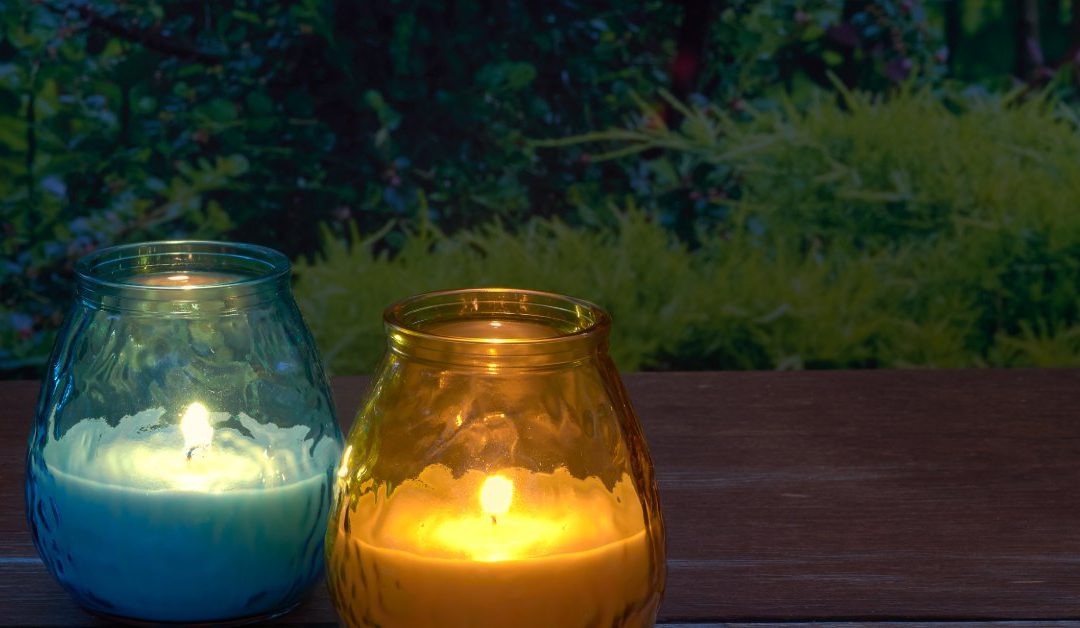
When it comes to lighting up a backyard, most people rely on standard bulbs. Even though these are best for visual clarity, sometimes the goal is to create a more calming environment to relax in. When this is the goal, candlelight becomes the ideal option.
When using candles outside, though, you have to deal with outdoor airflow and surfaces that may not stay steady. That’s why you need to familiarize yourself with the best practices for using candles in outdoor spaces before committing to this kind of ambiance.
Start With a Surface You Trust
Before you light a candle, check the surface you plan to set it on. Outdoor tables can rock, railing surface boards can flex, and stone surfaces can slope just enough to make a holder unstable. A candle should sit flat on a heat-resistant surface where it won’t slide or tip during normal movement.
That’s why you should try to avoid railing caps and table edges. Skip steps and narrow ledges, too, even if they look stylish in a photo. If you have to adjust the candle more than once before lighting it, you should probably choose a safer place.
Give the Flame Breathing Room
A candle needs plenty of open space around it. That’s why you should keep napkins and fabric runners away from the flame. Do the same with dried leaves or lightweight decor that can blow into the candle when the wind kicks up.
This matters most when the candle sits near outdoor dining areas. Guests may reach across place settings, shift in their seats, or pass items near the candle without thinking about the flame. Leave enough clearance so the candle adds atmosphere without becoming something everyone has to work around.
Watch the Wind Before You Commit
It’s important to recognize that wind can affect how a candle burns. Even a mild breeze can push the flame toward one side of the container, causing uneven melting or excess heat along the glass. A stronger gust can make the flame even harder to predict.
Pause before lighting the candle and notice how the air moves through the space. Covered patios can still channel wind near corners or open walkways. If the flame leans sharply after lighting, move the candle to a calmer spot rather than waiting for the breeze to cooperate.
Lanterns and hurricane holders can help shield outdoor candlelight flames. They don’t remove the need for supervision, but they can make the burn feel steadier on a breezy evening. Choose holders with enough height to protect the flame without trapping too much heat.
Keep Candles Within Sight
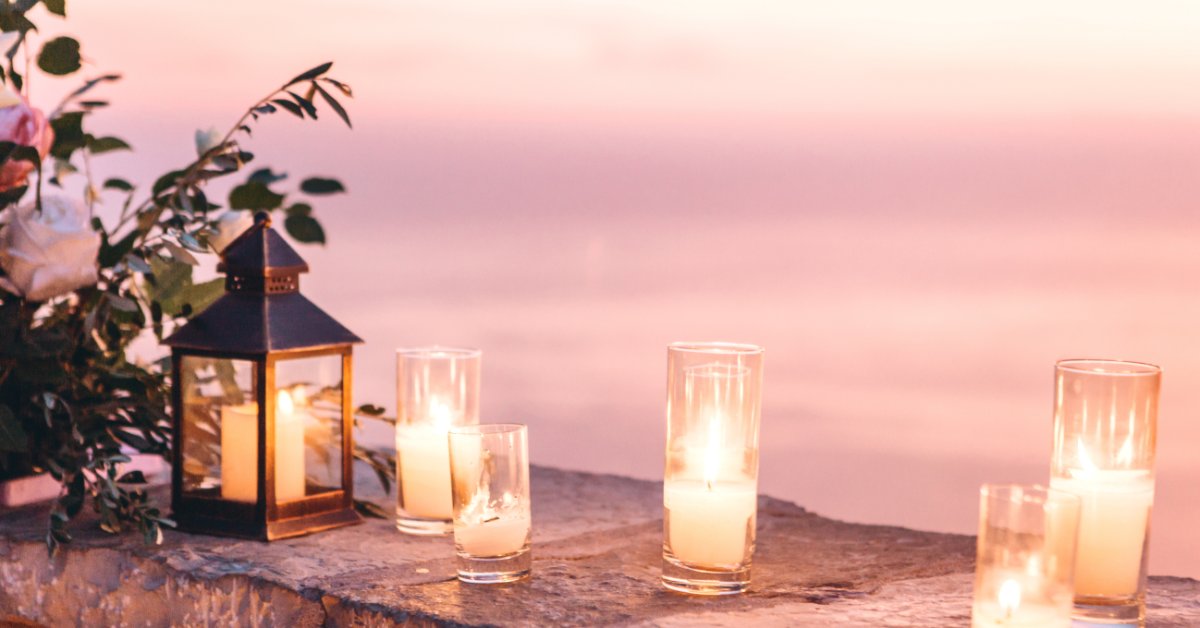
Every outdoor candle should stay where you can see it. If you go inside to check food or help a guest in another area, extinguish the candle first. A quick task can take longer than expected.
This same rule applies to auto-extinguish candles. Timer settings or built-in extinguishing features can support better burn habits, especially during long evenings outside, but they shouldn’t replace your need to pay attention while the flame is active.
Plan Around Kids and Pets
Since outdoor areas tend to be a bit more casual, this can make movement harder to predict. A child may reach across the table for a snack, or a dog may bump a chair or wag its tail near a low candle before anyone has time to react.
That’s why you need to place candles in places that are difficult for children and pets to reach. If the space feels busy, use fewer candles in more protected spots. One steady candle can create a better atmosphere than several flames that demand constant attention.
If better placement doesn’t fix the issue, enclosed holders can help when pets or young children share the space. That’s because they provide a protective barrier around the flame while still letting the light show through. Even with a holder, though, you still need to keep the candle visible and out of high-traffic areas.
Set a Burn Window
Outdoor evenings have a way of stretching long into the night. You may light a candle for dinner, then keep talking long after the plates have been cleared. Deciding on a burn window before you start helps the candle stay part of the plan instead of fading into the background.
In most cases, it’s best to follow the maker’s instructions for burn time. Many candles need enough time to form an even wax pool, but too much time can make the container hotter than intended. Outdoor use doesn’t change those basics.
Some self-extinguishing candles can make planned burn times easier when they include timed shutoff settings. That kind of feature can be helpful during a relaxed gathering, where time can slip by quickly. As long as you treat it as a useful support, not a reason to stop paying attention, you’ll be all set.
Extinguish the Candle Carefully
A good practice for using candles outside that many people overlook is how they put a candle out. This deserves the same level of care as lighting it. Blowing hard across the flame can create smoke, scatter tiny wax droplets, or potentially even spread the flame if you’re not careful. A snuffer or controlled extinguishing feature can make the process cleaner.
Once the flame is out, let the candle cool before you move it. It’s natural to want to clear the table quickly, but warm wax can spill if the holder tilts. Give the container time to settle, then check the surface around it before storing anything away.
If you use a candle with an auto-extinguish function, learn how it works before relying on it too heavily during a gathering. Read the directions and test the feature while you’re nearby. The more familiar you are with the candle, the more confidently you can use it outdoors.
Store Candles Indoors Between Uses
Most candles shouldn’t stay outside after the evening ends. Heat can soften wax, and moisture can affect the wick. Dust or pollen can also collect inside the container if not brought indoors afterward.
After bringing your candles inside, store them in a dry place away from direct sunlight so the wax and fragrance stay in better condition. If you use candles outside often, keep a small tray nearby to carry them all on, so cleanup doesn’t feel like a chore.
Don’t forget that lids can help protect candles between uses, but they don’t replace proper storage. A candle left on the patio for days may not burn as cleanly the next time. Treat outdoor candles as something you bring out for the moment, then put away with care.
Match the Candle to the Setting
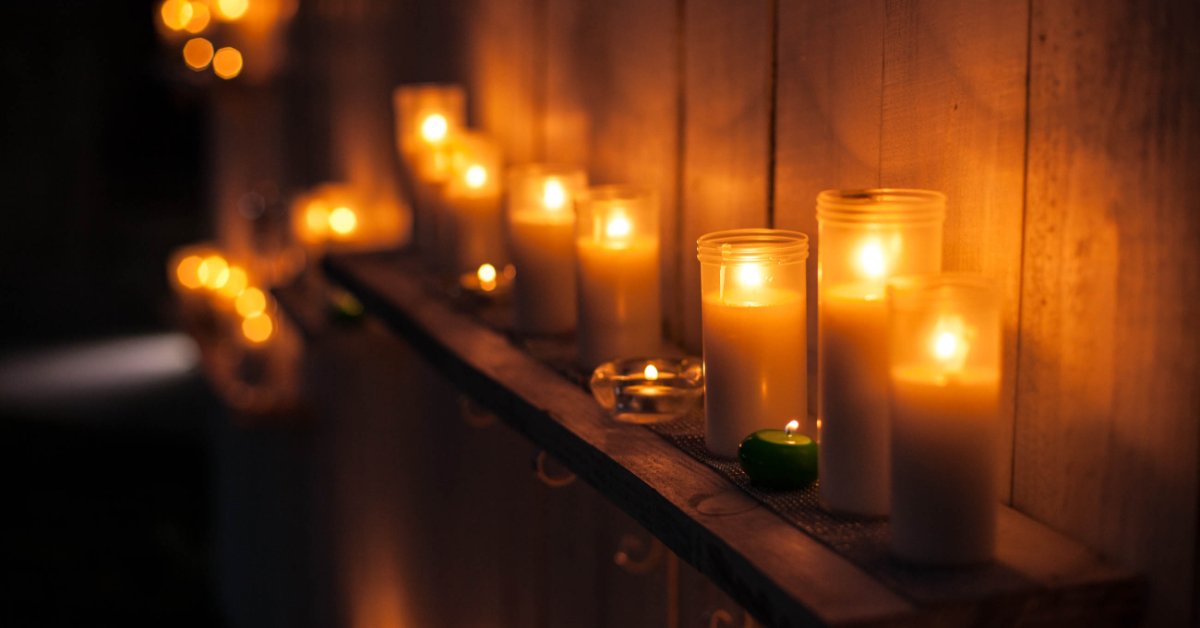
The right candle setup depends on the space. A compact balcony may need one protected candle on a side table. A larger patio can handle a few more flames if each one has a secure place to burn.
Choose candles that fit how people will use the area. A scented candle should sit close enough for the fragrance to matter, while a decorative candle still needs a practical holder. Before lighting anything, check the weather and observe the way the space is arranged that evening.
Disclaimer: All candles, including self-extinguishing ones, should be burned within sight at all times. No candles should ever be left unattended.