
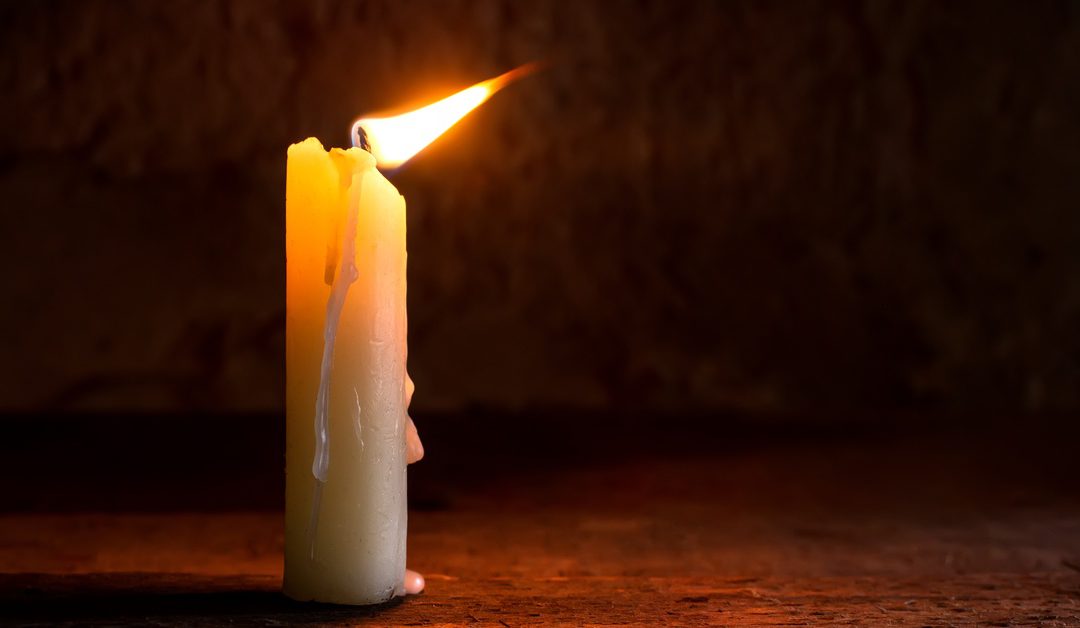
A wax candle can make a room feel settled in a way few decor pieces can. The light feels softer than a lamp, and the scent can shift the mood of a space without making it feel staged. Still, a candle is not just fragrance in a jar. It’s melted wax held around an open flame.
Because of them, there are inherent risks to using a candle, and many problems related to them stem from small choices that seem harmless in the moment. Fortunately, understanding the hidden risks of wax candles makes it easier to prevent them, allowing you to enjoy your candles without treating safety like an afterthought.
The Wax Pool Can Be a Bigger Hazard Than It Looks
When it comes to candle safety, people tend to focus too much on the flame and forget about the hot wax below it. Melted wax can hold heat long after the candle has been blown out. If the jar tips or someone moves it too soon, that wax can spill onto skin or furniture.
That’s why you must keep candles on a steady surface where they won’t get bumped. Avoid placing them near the edge of a table or shelf. After you put out the flame, let the wax cool before touching or moving the container.
This matters even more in homes with pets or children. A tail, paw, elbow, or curious hand can reach a candle before anyone has the time to react. A better location gives everyone in the room more space to move safely.
Candle Containers Can Overheat
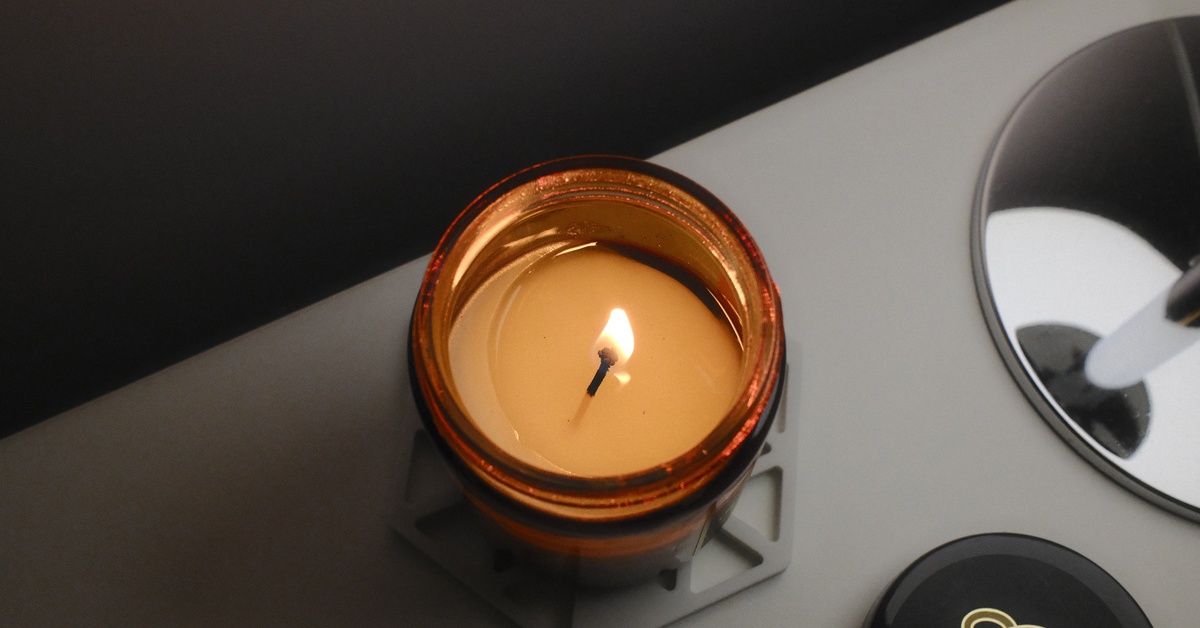
Just like with the wax, heat builds up in the container holding the candle as it burns. While it won’t get as hot as the wax, it can still burn you if you’re not careful. Plus, if the container has a crack or thin spot, that heat can make the damage worse.
This makes checking the jar before each burn a vital step. Don’t use a candle if the glass looks chipped or stressed. Stop burning the candle when the wax gets too low, since heat can collect at the bottom of the container.
The surface underneath the candle matters too. A tray or heat-safe base can protect a table from excessive warmth and wax residue. It also creates a clear zone around the candle to prevent flammable objects from getting too close.
Long Wicks Can Make Flames Harder To Control
A wick that looks only slightly too long can still change the way a candle burns. It may create a taller flame, but it can also cause more flickering or soot around the rim of the container.
Before using a new candle, check the label. If it recommends trimming the wick before lighting the candle, it’s not a step you should ignore. A shorter wick helps the candle burn more steadily. It also makes the flame less likely to lean toward the container wall or anything nearby.
Be sure to still pay attention while the candle burns. If the flame grows high or starts moving wildly, put it out and let the candle cool. Relighting a candle later is better than ignoring a flame that no longer looks controlled.
Drafts Can Push the Flame Where It Shouldn’t Go
A candle can seem safe in the spot you’ve placed it until air starts moving through the room. In most cases, an open window will shift the flame, but a ceiling fan or a busy hallway can do the same thing.
It’s worth noting that a draft doesn’t need to feel strong to cause trouble. Even gentle air movement can make the flame lean toward curtains or nearby decor. It can also cause uneven melting, which may make the candle tunnel or burn strangely.
Take the time to choose a place where the candle stays visible and protected from airflow. That doesn’t mean tuck it behind picture frames or under shelves, though. You still need to give the flame plenty of space above it and around it to avoid other fire-based issues.
Fragrance Can Make People Forget the Flame Itself

Scent is part of what makes candles so appealing. A familiar fragrance can make a room feel calmer within minutes. While there’s nothing wrong with this, the hidden risk you’ll want to prevent comes when that comfort makes the wax candle fade into the background.
To ensure this doesn’t happen, set a limit before you light it. Phone timers work well, but you can set a dedicated timer next to it, so you need to come to the candle in order to turn the alarm off. You can also try making candle use part of a specific routine, such as reading or taking a bath with one lit nearby.
Avoid lighting a candle right before a task that pulls you away. If you know you’re about to cook, fold laundry, answer emails, or get ready for bed, wait until you can stay in the room before lighting it up.
Self-Extinguishing Candles Can Support Better Habits
Since some candle risks come from forgetfulness rather than carelessness, you might need to take things to the next level. Setting a timer or making the candle a regular part of your routine might not be enough. You need something that’ll actively help you keep your candle usage in check.
Self-extinguishing candles are perfect for this. They can help add structure to candle use in a way that normal candles can’t. They still use a real flame, so they still require attention, but their built-in features help manage burn time, making them a practical choice for people comparing safe candles for home use.
The important point here is balance. A self-extinguishing design can support safer habits, but it shouldn’t replace them. You should still keep the candle in sight and clear the area around it. If you ever need to leave the room, be sure to still put it out before walking out of eyesight.
Extinguishing a Candle Takes More Care Than People Think
Blowing out a candle can feel automatic. However, that quick breath may splash hot wax if you stand too close or blow too hard. Even if that doesn’t happen, it will still leave behind smoke residue, which can damage nearby fabrics over years of regular use.
Using a snuffer is the best way to calmly end the burn. If you blow it out, use a gentle breath and keep your face away from the wax pool. After the flame goes out, check that the wick has stopped glowing.
However, you shouldn’t put the lid back on right away unless the candle instructions say it’s safe to do so. Heat can stay trapped inside the container, leading to other potential issues. Let the candle cool in the open while you stay nearby.
Safer Candle Use Starts Before You Light the Wick
The safest candle moments begin before the match or lighter comes out. Look at the surface of the candle. Look at what sits nearby. Think about whether you’ll actually stay in the room. These are all important considerations to make beforehand.
Only light it when you can sit near it and enjoy it. Skip using your candle when you’re distracted or moving from room to room constantly. When dealing with an open flame, you need to make sure usage of it feels more intentional.
Keeping your setup simple also helps. Use a stable base for your candle, and keep all forms of fabric and paper out of reach. Putting it in a place where pets and kids are less likely to get to it is also crucial. These habits don’t need to be anything too involved. You just need to make sure they happen every time.
Disclaimer: All candles, including self-extinguishing ones, should be burned within sight at all times. No candles should ever be left unattended.