
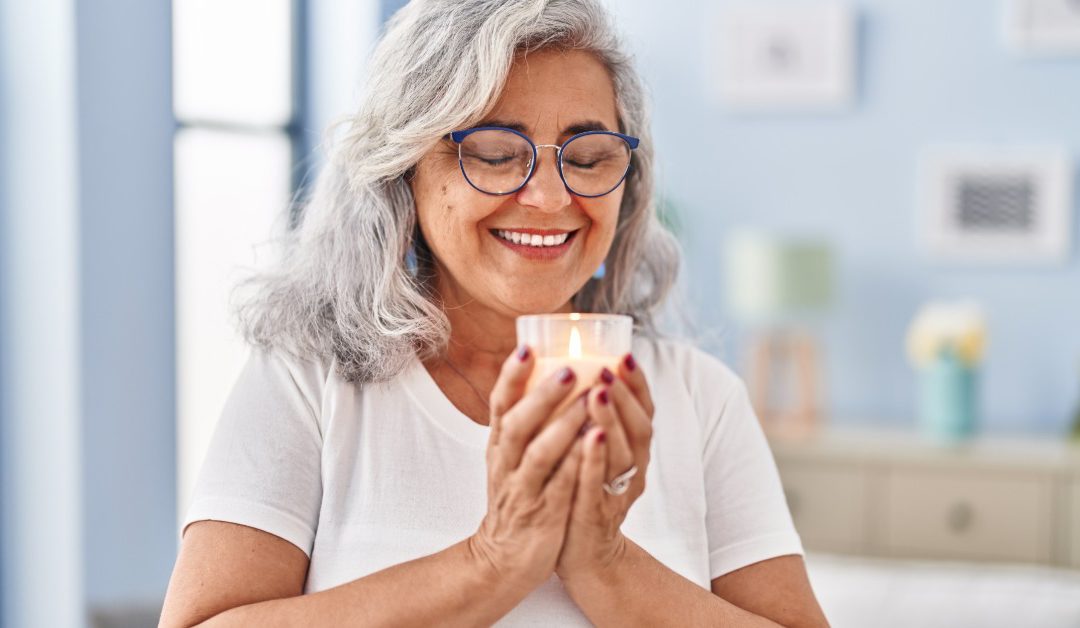
Candles can make a room feel calmer in a way few home accents can. For seniors, that gentle light may support an evening routine or the comfort of a familiar scent. Limited mobility changes the safety picture because reaching a flame quickly isn’t always easy.
The safest candle setup starts with one simple idea: any open flame needs someone who can respond right away if needed. That doesn’t mean seniors have to give up this kind of ambiance. It just means the safest candle solutions for seniors with limited mobility should reduce reaching and rushing, making every step feel more manageable.
Why Mobility Changes Candle Safety
Candle safety often depends on quick action. Someone may need to steady a holder or extinguish a flame before it burns too long. When hands feel stiff or balance feels uncertain, those actions can become harder.
That’s why the safest solution isn’t just “use fewer candles.” It’s choosing candle alternatives or controlled candle setups that fit the person’s actual routine. A senior who can only enjoy a candle when a caregiver is nearby needs a different setup than someone who lives independently but struggles to bend over a coffee table.
Start With Flame-Free Options
Flameless LED candles usually offer the lowest-risk way to keep candlelight. They create a soft glow without a live flame. They also remove the concern of hot wax accidentally coming into contact with more sensitive skin.
Remote-controlled flameless candles work especially well for limited mobility because the user doesn’t need to stand up each time. Timers can also be useful, as they automatically turn off after a set period, which helps when evenings feel more tiring. For seniors who like routine, placing the remote in the same spot each day can make using these candles much easier.
Battery-operated candles also suit spaces where traditional candles create extra concern. A bedroom can feel cozy without a flame near blankets. A bathroom can feel calm without heat close to towels or personal care items.
Consider Scent Without a Flame
Some people want fragrance more than candlelight. In that case, a safer solution may come from non-flame scent options rather than a different candle style. A passive fragrance jar can add scent without heat. A scented sachet can also work well in small spaces.
Electric wax warmers are another possibility, but they still require some level of care. Choose a model with an automatic shut-off. Place it on a stable surface, and keep the cord away from walking paths. A warmer shouldn’t sit on a surface that someone might lean on for balance.
Safer Real-Flame Choices for Supervised Use
Still, nothing beats the sensation of having a real wax candle with a real flame. When that matters, reserve flame use for supervised moments in easy-to-control areas. The candle should sit on a sturdy surface that resists heat and doesn’t shake when someone bumps the table.
A wide container candle can reduce the chance of accidental tipping compared with a narrow taper candle. A shorter candle may also feel easier to monitor because the flame sits lower and the base feels more stable. Avoid holders that require precise hand movement near the flame.
If you want something even safer, a self-extinguishing candle may be the right solution for you. However, be sure to treat that feature as a layer of support, not permission to walk away. A built-in shut-off approach can make extinguishing easier, but it doesn’t replace supervision.
Placement Matters More Than Style
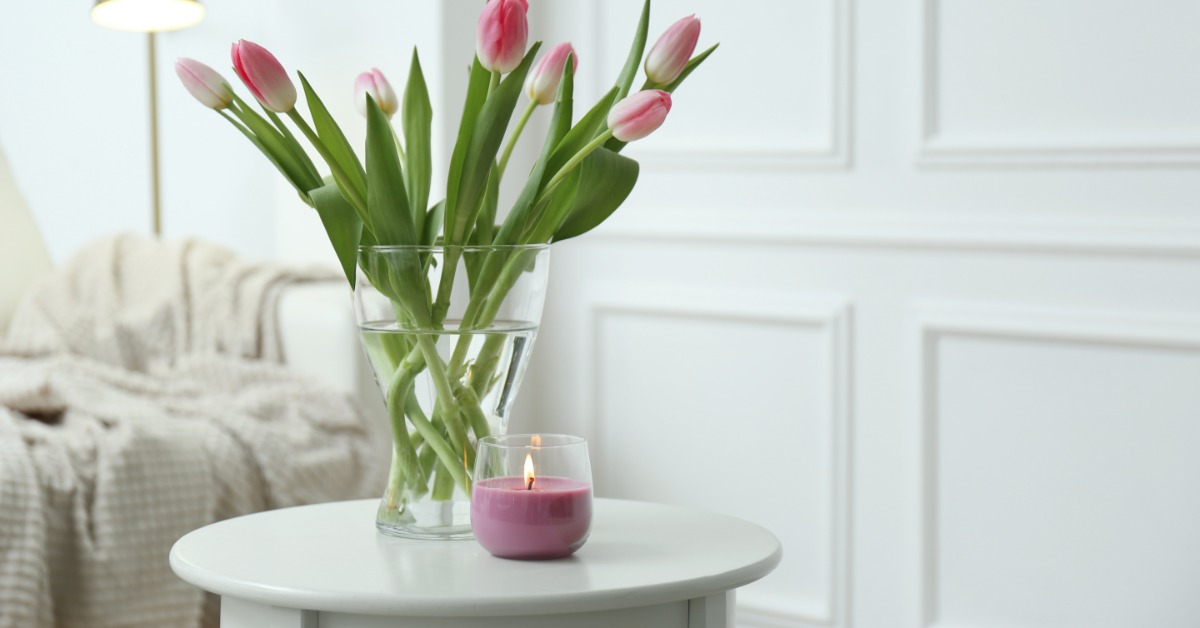
Regardless of what you choose, even the safest candle solution for seniors with limited mobility can fail if someone places it in the wrong spot. Candles should stay away from anything that can catch fire quickly. Soft materials near beds or reading chairs deserve extra caution because they’re often close to where seniors relax.
Traffic paths matter here as well. A candle on a low coffee table may look lovely, but it can sit directly in the path of knees or wheels. It can also sit too close to a blanket draped over someone’s lap.
Higher surfaces can help as long as the senior can see the flame clearly without reaching over it. The best spot should feel stable from every angle. It should also allow another person to step in quickly if needed.
Make Extinguishing Easier
Many candle accidents start when someone delays putting out the flame. A senior may feel comfortable lighting a candle but hesitate to get up once pain or fatigue sets in. That’s why extinguishing should be planned before the candle gets lit.
Long-handled candle snuffers can help when hand strength or reach feels limited. They keep the user’s hand farther from the flame, reducing the need for forceful blowing. Still, they only work well when the senior can use them steadily from a safe angle.
Build Candle Use Into a Simple Routine
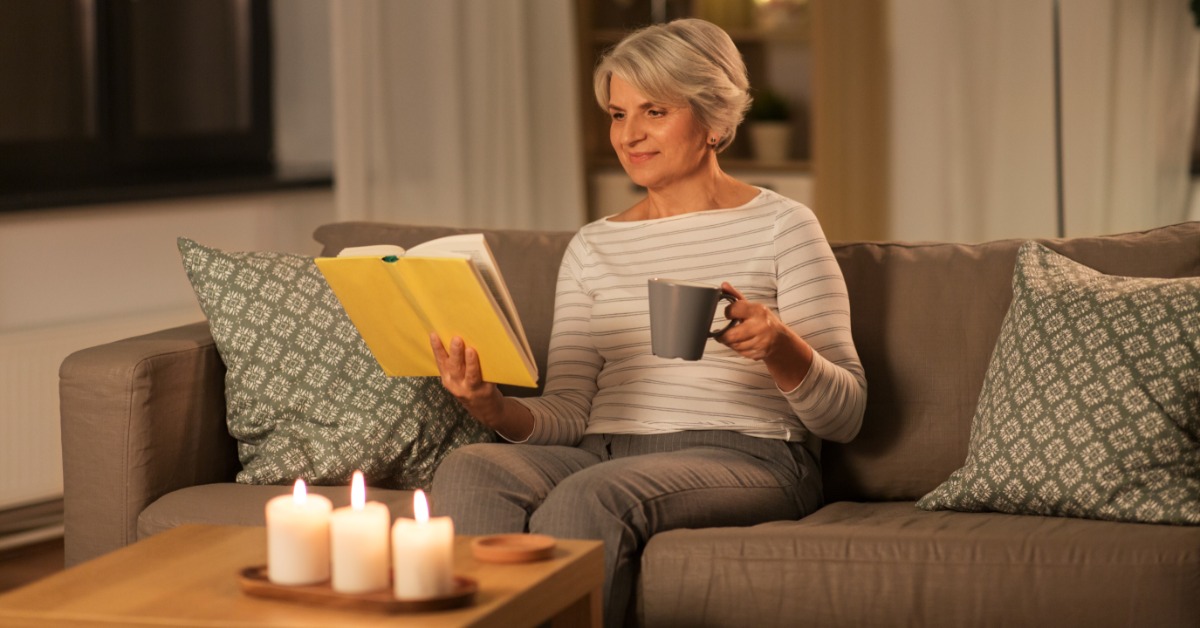
A safe routine should feel easy enough to repeat. Before lighting any candle, the user or caregiver should clear the surface. They should also check for nearby fabrics before lighting the flame. They can then set a timer and confirm that someone will stay in the room. The goal is to make this feel less like a long checklist and more like a standard ritual.
The same routine should include a clear stopping point. For example, the candle might burn only during dinner. It might stay lit during one television episode. It might also be reserved for the time when a caregiver remains in the room.
Keep Emergency Readiness Simple
Every home that uses candles should have working smoke alarms and a clear way to call for help. A phone or medical alert device should stay within easy reach during candle use. A voice assistant may also help when the senior already knows how to use it.
Avoid placing real candles in rooms where the senior may fall asleep. If evening relaxation is the goal, flameless candles near the bed offer a safer way to create that soft nighttime atmosphere. They can keep the mood without placing a flame near fabric while someone gets drowsy.
When a Real Candle Still Makes Sense
It’s important to remember that real candles still have a place in a senior’s home as long as the setup stays controlled. The safest moments occur when the senior is alert, and the candle sits on a stable surface. If needed, though, make sure there is another adult around who is able to respond during a potential emergency.
No matter the specific situation, it’s best to only use one candle at a time instead of placing several around the room. Fewer flames make monitoring easier and reduce the risk that someone forgets one. For seniors who have trouble getting around, that simple choice can make regular candle use much less stressful from the start.
Disclaimer: All candles, including self-extinguishing ones, should be burned within sight at all times. No candles should ever be left unattended.