
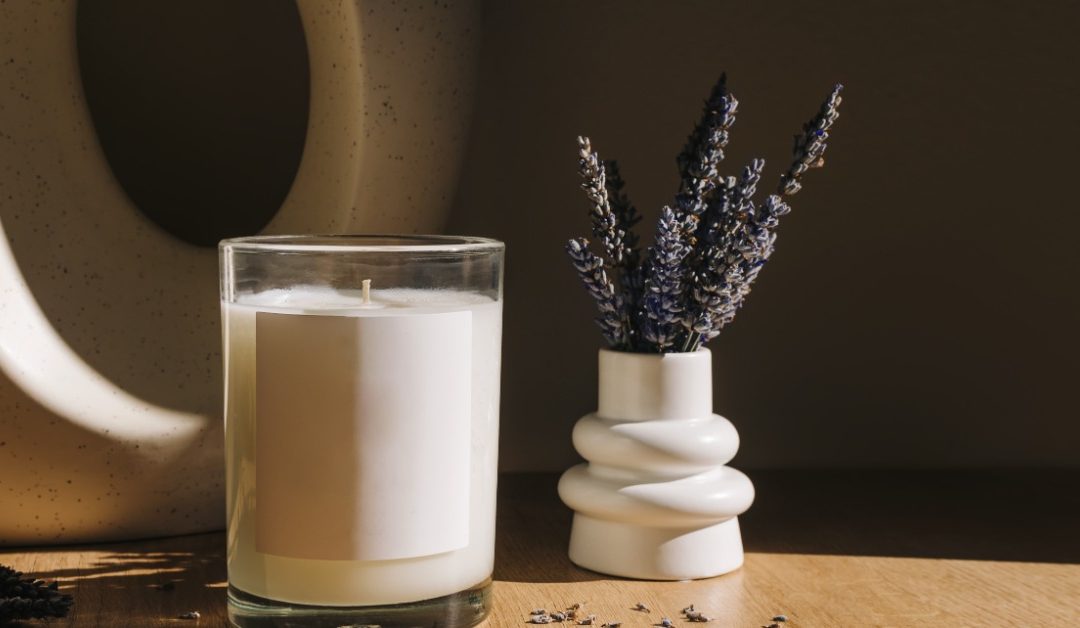
Even though candles are easy to move around as needed, they deserve a dedicated spot that is easy to access and safe to use. While this might sound simple, some smaller homes make it difficult to find a good spot to use your average candle. While self-extinguishing candles can make this process easier, fully maximizing smaller spaces can be a challenge. The aim of this guide is to help walk you through how to achieve this.
Design Around a Defined Burn Endpoint
Most candles leave the decision on when to put them out entirely to the person using them. You light the wick and enjoy the flame until the moment has passed, then you put it out. That familiar process works well when you remain attentive, though it gives the candle no independent boundary if the intended burn runs longer than planned.
Self-extinguishing candles introduce a controlled endpoint to that experience. The exact method varies by design, but the defining feature is that the candle can end its burn before the flame reaches an undesirable stage. This doesn’t make unattended use acceptable; instead, it gives a supervised candle another layer of protection.
That boundary has particular value in a small room because distances compress quickly. The candle may be safely placed when you light it, yet the surrounding surface can change as the room continues to function. A defined endpoint helps the candle work within that fluid environment without asking you to give up the atmosphere of a real flame.
Choose a Candle That Earns Its Footprint

A room rarely benefits from décor that serves only one brief moment. That’s why a self-extinguishing candle should still contribute to the small space even when it isn’t burning, whether its shape adds structure or its color strengthens an existing palette. This makes the unlit candle part of the selection process rather than the leftover state between uses.
Scale should reflect the surface, not the size of the room as a whole. A slender candle can create height without spreading across a narrow table, while a compact candle can anchor a deeper surface without becoming the dominant object. Either approach works when the proportions leave enough open area for the surface’s regular purpose.
Restraint also gives the flame more influence. One carefully positioned candle can establish a focal point that a scattered group would only dilute. By reducing the number of objects involved, you preserve usable space and make the self-extinguishing feature part of a considered choice rather than a novelty repeated around the room.
Preserve Clearance Without Surrendering the Surface
Limited square footage doesn’t reduce the clearance an open flame needs. It makes that clearance harder to preserve once the room is active and nearby items begin to shift. Because the candle’s surroundings can change during ordinary use, its safe zone must be part of the arrangement from the beginning.
Start by identifying a stable heat-resistant area that doesn’t sit within the path of normal movement. The candle shouldn’t occupy the spot where you instinctively reach for a drink or set down something you’re carrying. When its position respects those habits, you won’t need to monitor the surface itself every time you enjoy the flame.
Avoid solving the space problem by moving the candle too close to a wall or placing it beneath another surface. The self-extinguishing feature creates a burn limit, but it can’t control the heat above the flame or protect nearby materials while the candle remains lit. A compact setup still needs enough open space to operate safely.
Let Candlelight Mark a Change in Use
One room may support focused work during the day and become a place to unwind at night. Candlelight can signal that kind of change without requiring another permanent fixture, making it especially useful when the lighting plan has little room to expand. The flame provides a temporary layer of atmosphere that disappears as soon as the candle goes out.
A self-extinguishing format fits this transition because the experience already has a designed endpoint. Rather than letting the candle fade into the background indefinitely, you can tie it to a specific part of the evening. You still control when the burn begins and should extinguish it before leaving, but the candle itself supports a more deliberate rhythm.
This approach also keeps the room from becoming overdesigned. You don’t need decorative lighting assigned to every activity when one carefully chosen flame can alter the mood at the right time. The innovation lies in giving that temporary light more control, not in adding technology that demands constant attention.
Use Negative Space as Part of the Display
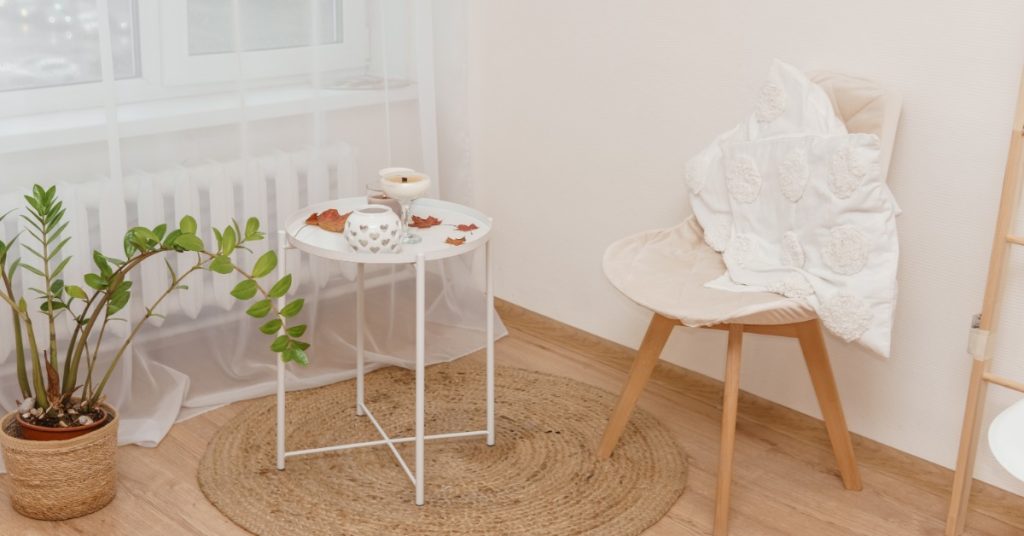
Small-space decorating often focuses on what can fit, although the open area around an object determines whether the result feels composed or crowded. A candle needs that breathing room for visual clarity as well as fire safety. When you intentionally preserve it, the empty surface stops looking unfinished and starts supporting the display.
The flame itself provides movement, so the surrounding arrangement doesn’t need much embellishment. Pairing the candle with one low-profile object can establish scale without creating competition near the wick. The contrast between the active flame and the quieter surface gives the candle more presence than a dense arrangement would.
Sightlines should guide the final position. A candle that sits just below eye level may provide a comfortable glow from across the room, while one placed directly in your line of vision can become distracting. Check the view from where you’ll actually sit rather than judging the arrangement only while standing beside it.
Verify Where the Self-Extinguishing Function Lives
The phrase “self-extinguishing” can describe different approaches, so determine what part of the product actually ends the burn. Some of the better designs use a self-extinguishing candle holder that pulls the wick down into the wax to extinguish the flame, making it very effective at ensuring it’s entirely snuffed out.
Compatibility deserves more attention than appearance at this stage. Confirm the accepted dimensions and read how the extinguishing point is established before bringing the product into your routine. If the instructions leave the mechanism unclear, the design won’t provide the predictable boundary that makes it valuable in a compact setting.
No matter what, though, be sure to observe the first burn while remaining present, even when the product comes from a familiar maker. You need to see whether the candle stays stable and whether its stopping feature operates as described. That simple check keeps the innovation tied to verified performance rather than allowing a reassuring label to replace careful use.
Disclaimer: All candles, including self-extinguishing ones, should be burned within sight at all times. No candles should ever be left unattended.