
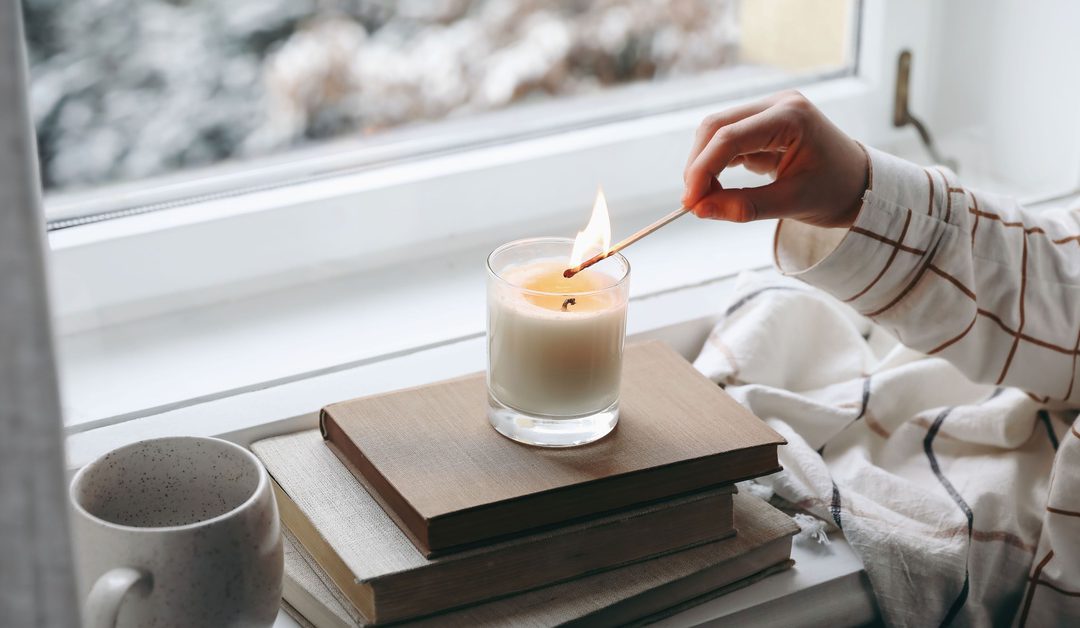
Candles are meant to make a home feel calm, cozy, and inviting. But in most homes, that experience exists alongside real distractions. People light candles while doing other things and can sometimes forget to blow them out when they’re done.
That’s where automatic candles stand apart. They offer the same warmth and atmosphere people want from a normal candle, but with features that make them easier to control in everyday life. For households where attention shifts often, that added control can make a meaningful difference. To better understand this, though, let’s take a deep dive into why automatic candles are the safest choice for homes.
What “Safe” Really Means in a Home Environment
When it comes to candles, safety isn’t just about avoiding obvious mistakes. It’s also about how easy the candle is to control during a normal evening at home. People get distracted, leave the room, or move on to the next task without thinking much about it. A safer candle is one that still fits that reality and helps you manage the experience more easily.
That means a safer candle isn’t just one that asks you to be cautious. It’s one that gives you more control over the experience and accounts for the reality that most people aren’t sitting in one room watching a flame burn the entire time.
Home life changes the equation because distraction is normal. You step away to answer a question, fold laundry, let the dog out, or clean up the kitchen. In some cases, you might not end up coming back to the room when you’re done. In these cases, you need a candle designed to match this kind of lifestyle.
Why Automatic Candles Match the Way People Actually Live

One of the strongest arguments for automatic candles is how naturally they fit into daily routines. Most people aren’t lighting candles when they have nothing else to do. They’re using them while moving through the busiest part of the evening, which means convenience and control matter more than people sometimes realize.
Traditional candles can feel less practical in that setting. Even if someone intends to stay aware, normal routines make it easy to get pulled into something else. Automatic candles reduce that pressure by making the experience easier to manage from the start, so the candle feels like part of the home instead of one more thing competing for attention.
They also reduce friction in everyday use. When a product feels tedious or easy to forget, people are more likely to rush through it or treat it casually. Automatic candles simplify the process, making them appealing to people who use candles often and want a relaxing experience rather than a high-maintenance one.
However, this doesn’t mean you should light a candle and leave the room for long stretches of time. It’s still an open flame that should be monitored regularly. The upside of automatic candles is the peace of mind of knowing that if you ever accidentally forget about it, it will put itself out. Still, you’ll want to be sure to check-in on it regularly.
The Advantage of Built-In Control Features
Automatic candles aren’t just the safest choice for homes because of one single feature. Their advantage comes from built-in controls that support better habits and make the candle easier to manage across different home environments. That added structure is what makes them feel more practical for everyday use.
Timers are one of the clearest examples. A timer creates a defined burn window from the beginning, which helps turn candle use into a more intentional routine instead of an open-ended one. Rather than depending entirely on memory later, you start with a built-in limit that helps the candle fit more neatly into a busy evening.
Other control features add flexibility in the moment. If you can extinguish a candle without standing right beside it, it becomes easier to manage when you’re across the room or finishing another task. In homes with pets, children, or frequent movement through shared spaces, motion- or tilt-related features make automatic candles feel much better suited to the environment around them.
Safety Isn’t Only About the Flame
A candle’s safety value isn’t limited to the time when it’s actively burning. The full experience matters too, including how the candle fits the room, how it behaves when you’re done using it, and how comfortable you feel using it regularly. Automatic candles improve that broader experience beyond the most obvious talking points.
A cleaner extinguishing process can make the end-of-use feel smoother and more controlled. That matters because candles typically tie in with comfort and routine. If the product helps create a calm setting while it burns, the shutdown should feel just as easy. Automatic designs support that kind of transition, which helps the experience feel more complete and less abrupt.
That sense of control also shapes confidence. When a candle feels easier to manage, people are more likely to use it where it adds value instead of second-guessing whether it’s worth the trouble. A safer-feeling product can encourage more consistent habits because the design supports responsible use rather than leaving every step to memory alone.
Why Automatic Candles Make More Sense in Certain Parts of the Home
Different rooms place different demands on a candle, and automatic candles work well across those environments because they add control without taking away the candle experience. In shared living spaces, attention shifts constantly. People move around, conversations continue, and several things can happen at once, so a candle that feels easier to manage is a better fit.
They also make sense in private relaxation spaces like bedrooms, bathrooms, and reading corners. Those are the rooms where candlelight often feels most effective, but they’re also tied to winding down and letting your attention drift. When you’re trying to relax, you don’t want a candle to feel like another task sitting in the back of your mind. Automatic features help preserve that calm by making the experience easier to control.
This matters even more in homes with steady movement throughout the day. Pet-friendly households, family homes, and spaces where people regularly move from room to room create a less predictable setting for candle use. Automatic candles are better suited to that reality because they’re built for everyday interruptions instead of assuming the home will stay still.
What to Look for When Comparing Automatic Candles
Not every automatic candle offers the same level of convenience or control, so it helps to focus on the features that shape daily use most directly. The strongest options usually make candle use feel simpler, more predictable, and easier to fit into the pace of a real household.
Timer settings matter because they create a clear burn window from the start. Automatic extinguishing matters because it makes the candle easier to control when your attention shifts, while stability or tilt response matters because it helps the candle suit active homes. Ease of operation matters just as much, since even useful features won’t help much if the product feels awkward to use every day.
Refill or reuse options also shape whether an automatic self-extinguishing candle feels practical over time. A product may have smart features, but it still needs to fit naturally into someone’s routine if it’s going to feel like a strong long-term choice. The safest choice for homes isn’t just the candle with the longest feature list. It’s the one that feels easiest to manage and best aligned with the way people actually use candles.
Disclaimer: All candles, including self-extinguishing ones, should be burned within sight at all times. No candles should ever be left unattended.