
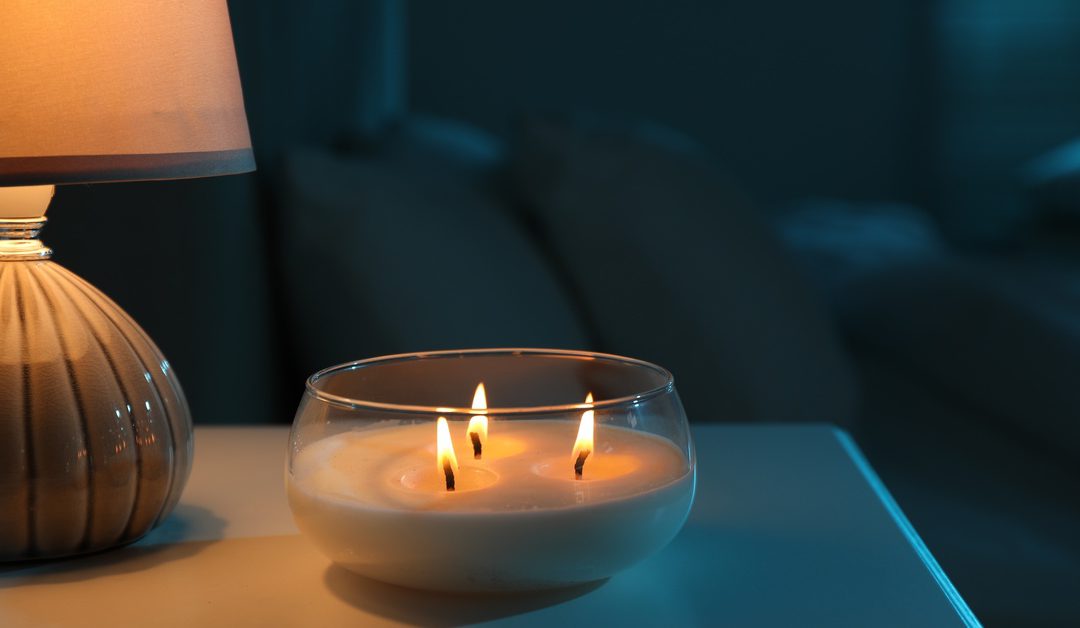
A candle often gets lit at the point in the night when the room no longer needs much from you. The flame sits low on a dresser or nightstand while the scent settles into the space. It feels contained, which is part of why people stop thinking about it as an active fire.
While this flame shouldn’t have the ability to burn your house down, it’s not something that’s worth the risk. To better understand why this is, we’re here to go over all the reasons why you should never sleep with a lit candle.
Sleep Takes Away Your Ability To Respond
It’s crucial to understand that candles are open flames. That means it needs constant attention because the conditions around it can change while it burns. A draft can make the flame lean, and a wick can burn hotter than expected as the wax level shifts.
While you don’t need to actively watch your lit candle, if you’re at least awake, you’ll have the ability to notice those changes as they happen. This will give you the opportunity to move the candle away from a curtain or put it out when the flame gets too high. Once you fall asleep, you lose that chance to step in.
That’s the main danger. The candle keeps burning even though the person responsible for it is no longer watching. It doesn’t matter that you planned to blow it out in five minutes if sleep sets in first.
Bedrooms Aren’t Built Around Open Flames
Bedrooms usually contain soft materials that make rest easier. However, those same materials can create problems around candlelight. Bedding can shift, a robe can slide from a chair, or a curtain can move closer to a nightstand when air flows through the room.
A bedroom also tends to have less clear surface space than people realize. A candle might share a nightstand with a book or a charging cord. Even if it starts in a safe spot, it may not stay protected if something gets bumped before you settle in.
The risk here isn’t always about carelessness, though. It’s possible to place a candle with good intentions and still end up too close to something that shouldn’t be near heat. That’s why bedtime candle use needs a clear stopping point before you’re under the covers.
“I’m Almost Asleep” Is the Wrong Time To Decide
Many candle accidents become more likely when people wait too long to extinguish the flame. Tired people don’t make the same careful choices they would make earlier in the evening. They may tell themselves they’ll get up soon, then fall asleep before they do.
This is especially easy during a movie or while reading in bed. The candle becomes part of the background, and your attention moves elsewhere. Basically, if you’re starting to feel drowsy or you’re too comfortable to get up easily, the candle should already be out.
Letting a Candle Burn Out Isn’t a Safe Plan
Some people assume a candle is safe to leave burning if it’s close to the end of its burn. That idea can be misleading. A low candle can still produce heat, and the container may become hotter as the flame burns near the bottom.
Waiting for a candle to finish also creates a false sense of control. You may think it only has a few minutes left, but you can’t know exactly how it will behave as the wax changes. If you fall asleep while waiting, the candle can become unattended for long periods of time, potentially even the whole night.
It’s safer to just extinguish the flame before bed. Then you can confirm it’s fully out before getting comfortable for the night. That final check matters because candle safety depends on active attention.
Where Self-Extinguishing Features Fit In
If you want to take things a step further, a self-extinguishing candle can help support safer bedtime routines. Timer-based features may provide a useful backup for people with consistent nightly routines. These types of candles also support voice commands, allowing people to put out the flame without getting up. Both features together can make candle use feel more intentional.
Even so, self-extinguishing features shouldn’t be treated as permission to sleep while a candle burns. They can support good habits, but they don’t replace the need to keep a candle within sight. The surrounding room still matters, and no feature can make every situation risk-free. That’s why the safest approach is to use smart or safety-focused features as added support. Good technology works best when it reinforces responsible behavior.
Build a Better Bedtime Candle Habit
While you should never sleep with a lit candle, you don’t have to remove yours from your evening routine. The better option is to define it better within your routine. Start by lighting your candle while you’re still awake enough to enjoy it, then put it out before your attention starts to fade.
Try making the candle part of the earlier wind-down period. It can burn while you tidy the bedroom or relax before turning off the lights. Once you move into sleep mode, the flame should be out.
You can also pair extinguishing the candle with another habit. Put it out after you brush your teeth or before you turn on your bedside lamp. A repeated cue makes the step feel automatic, which helps prevent the “I forgot” moment that happens when routines get loose.
Keep the Ambiance Without Keeping the Flame
The comfort of candlelight doesn’t need to last all night to be meaningful. A candle can help shift the mood of a room long before you fall asleep. Once the flame is out, the space can still feel calm because the routine already did its job.
If you want a soft glow after that point, choose a flameless option for the sleep portion of the night. That separates the relaxing atmosphere from the fire risk. Real candles can remain part of the evening, but they shouldn’t be part of sleep.
Just remember that the safest candle habit is the one that ends before your awareness does. Enjoy the flame while you can watch it, then extinguish it with intention. That small boundary lets you keep the ritual without turning it into a preventable hazard.
Disclaimer: All candles, including self-extinguishing ones, should be burned within sight at all times. No candles should ever be left unattended.