

A beautiful candle can change how a room feels before anyone notices the furniture. It softens harsh lighting and gives a space a warmer rhythm, which is why candles often feel less like accessories and more like part of the room’s personality.
Still, a candle isn’t only a décor piece. It’s a small open flame, so it needs smart placement and steady habits around it. When you’re in the market for safe candles for home décor, the best choice should fit your style while making everyday use feel more thoughtful.
Start With Where the Candle Will Go
Before you compare scents or vessel styles, think about the exact room where the candle will live. A candle for a quiet bedroom shelf has different needs than one used on a busy kitchen counter. The safer option is usually the one that makes sense for the space, rather than the one that only looks good in a product photo.
Look at foot traffic first. Low coffee tables can make candles easier to bump, especially when pets or children move through the space often. Choose a heavier vessel and place it on a stable surface that sits well away from the edge.
Air movement matters too. A candle near a vent or frequently opened window can burn unevenly and behave less predictably. For décor, the safest spot is easy to see and free from nearby clutter.
Choose a Vessel That Supports Real Use
The candle container should do more than match your interior style. It should feel sturdy in your hand and sit flat without wobbling. Thin glass may look clean on a shelf, yet it doesn’t always feel as secure during regular use.
For home décor, look for vessels that are heavy enough to stay steady. Ceramic or thick glass can work well when the candle design also handles heat properly, but metal bases are also great options. No matter what you choose, the base should feel broad enough for the candle’s size, especially if you plan to display it on a tray.
Avoid buying a container only for its label or color. A candle can look expensive and still feel poorly balanced. When safety is part of the buying decision, the vessel has to earn its place in the room.
Pay Attention to Wax Quality
Wax affects how a candle burns and how much care it needs. Many buyers start with scent, but wax quality shapes the entire experience after the first light. A candle that tunnels badly can become frustrating before it ever feels relaxing.
The wax type doesn’t tell the whole story because the formula and wick pairing matter just as much. A well-made candle should burn steadily when you follow the maker’s instructions. Look for brands that explain their wax choices in plain language, not vague claims that sound polished but say very little.
Don’t Treat the Wick as an Afterthought
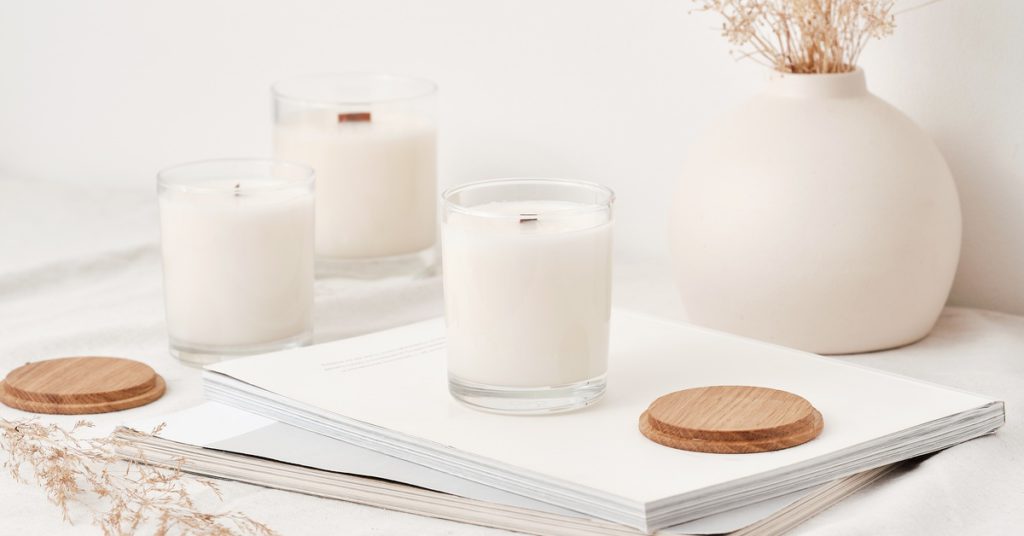
The wick controls how the candle burns. If it’s too large, the flame can become higher than you expected. If it’s too small, the candle may tunnel and waste wax around the edges.
A safe candle-buying decision should include a look at wick type and care instructions. Cotton wicks are common, while wooden wicks offer a different sound and flame shape. Either can work, but the candle should clearly tell you how short to trim the wick before each use.
Because of that, wick trimming isn’t simply a decorative detail. It’s a crucial process for managing flame size and can reduce soot during normal burning. If a candle comes with no burn guidance at all, that’s a reason to pause before buying it.
Look for Safety Features That Fit Your Routine
Some buyers want a traditional candle with simple care instructions. Others want extra support because they have busy households that can make general candle usage less protected. Candles with specific safety-focused features can help in these cases.
This is where self-extinguishing candles may appeal to buyers who want the look and feel of real wax with added control. Timers or tilt-aware designs can make candle use feel more manageable in a modern home. They still require attention, but they can support the kind of buyer who wants beauty with more built-in thought.
The key is to read the feature description carefully. A useful safety feature should be easy to understand and use. If the product language promises too much with no explanations, treat that as a warning sign rather than a selling point.
Style the Candle With Breathing Room

Candles often look best when they have space around them. Crowding a candle with books or dried flowers may create a pretty display, but it can also place the flame too close to nearby items. A safer arrangement gives the candle visual prominence without surrounding it too tightly.
Use trays with care. A heat-safe tray can define the candle’s place in a room, but it shouldn’t become a catchall for loose décor. The display should make the candle easier to manage, not harder to notice.
Think about height as well. A tall candle beside low décor can look elegant, but nearby objects shouldn’t lean toward the flame. Good styling leaves negative space, and that extra breathing room often looks more polished.
Read the Burn Instructions Before Buying
Many people only read candle instructions after something goes wrong. A better habit is to review them before the candle enters your cart. Clear burn instructions show that the brand expects real use, not just a pretty shelf moment.
Look for guidance on burn time, wick trimming, and when to stop using the candle. Most candles shouldn’t burn all the way to the bottom of the vessel. Leaving a small amount of wax can help reduce heat stress on the container.
Instructions should also tell you how to handle the first burn. That first session can affect whether the wax melts evenly later. If the brand provides practical guidance, you’ll have a better chance of keeping the candle attractive throughout its lifespan.
Check the Brand’s Safety Language
The key to buying safe candles for home décor is to be a little skeptical when needed. Brands should explain what their candles can do without implying that normal precautions no longer matter. No feature should encourage you to leave a burning candle unattended.
The best product pages use clear language and avoid dramatic guarantees. They explain how the candle works while clearly defining its limits. That kind of honesty is more useful than an exaggerated safety claim.
Disclaimer: All candles, including self-extinguishing ones, should be burned within sight at all times. No candles should ever be left unattended.