
Buying your first home comes with a long list of upgrades, and safety is one of the easiest to push down the list. That’s thanks to the fact that it’s not as fun as decorating or buying furniture. Still, that doesn’t mean you should outright ignore it.
These kinds of upgrades are crucial in a first home. However, they don’t have to make your space feel clinical or overly cautious. With the right fire safety upgrades, first-time homeowners can better support their home, so security and comfort don’t rely on perfect habits every single day.
Start With the Systems You’ll Rely On Most
When people picture fire safety, they often envision items that are important in emergency situations. In reality, the smartest upgrades usually work quietly in the background long before anything feels urgent. They’re the tools and setups that make it easier to notice an issue early and avoid the kind of oversights that happen in busy real life.
In many cases, that often starts with updated smoke and carbon monoxide alarms. You want devices that are easy to test, easy to hear, and placed where they’ll do their job. If the home came with older units, replacing them can feel less exciting than buying furniture, but it’s one of the most practical upgrades you can make.
Connected features can help here, too. When alarms work together, safety feels less scattered from room to room. Instead of treating each device as its own chore, you start building a home that responds more like a system.
Make the Kitchen Easier to Manage
The kitchen has a way of pulling your attention in several directions at once. You start dinner, answer a text, open a delivery, and suddenly, something that needed another minute has gone longer than planned. In a first home, where you’re still learning the flow of the space, those little distractions can sneak up on you fast.
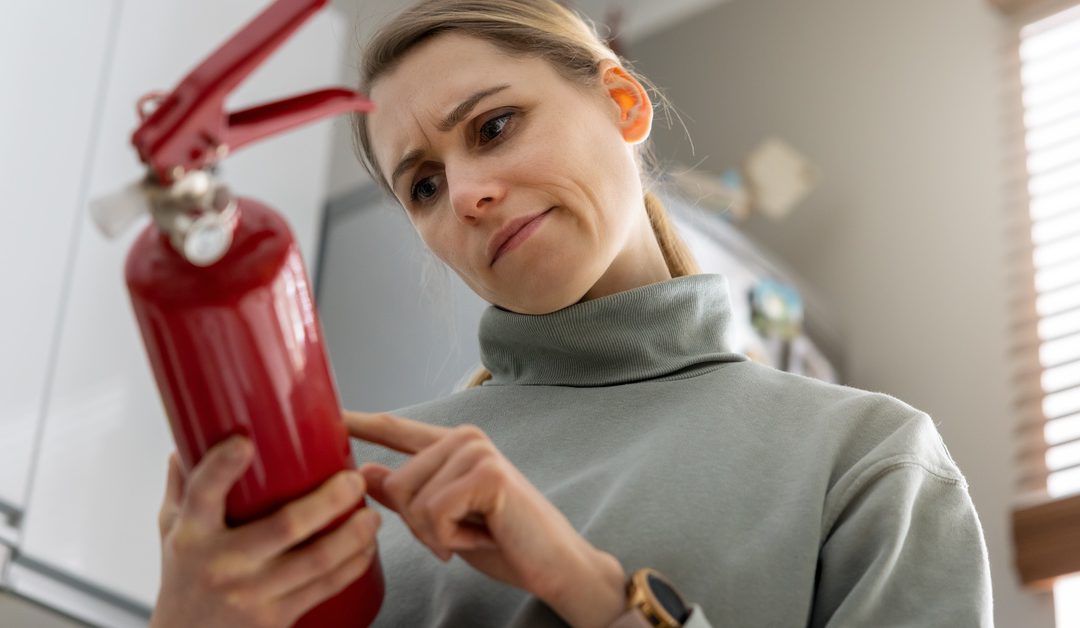
That’s why kitchen upgrades should focus on reducing friction. Appliances with built-in shutoff features and dependable timers can all make cooking feel easier to manage. Keeping a fire extinguisher nearby isn’t a bad idea either. None of those changes need to be dramatic, but together they create a room that asks a little less of your memory.
It also helps to think about what tends to collect around the kitchen over time. Loose papers and crowded counters don’t always feel like major issues when you’re unpacking and settling in. A more intentional setup gives you more breathing room, and that alone can make the whole space feel calmer.
Rethink Cozy Details Without Losing Them

A safer home doesn’t have to feel stripped down either. Most first-time homeowners still want soft lighting, good scent, and those small touches that make a room feel settled. The difference is that now those details need a little more thought behind them.
Start with lighting. Table lamps should sit on stable surfaces where cords don’t trail across walkways or get pinched behind furniture, and accent lighting should stay clear of curtains, bedding, and piles of decor. If you want extra ambiance, wall sconces, enclosed lantern-style fixtures, and low-profile LED accents can create warmth without adding as much day-to-day maintenance.
Fragrance is another area worth rethinking. Candles still have a place, but they should be part of a more intentional setup, not something squeezed onto a crowded shelf or balanced beside books and dried florals. Self-extinguishing candles can make sense here as one option within a broader safety-minded approach, especially for homeowners who want the look of candlelight without relying entirely on memory for putting them out.
Then look at the surfaces around those cozy touches. Fireplace mantels, side tables, and console tops often collect frames, matches, remotes, and seasonal decor, which can make a space feel finished but also cluttered. Giving heat sources, lamps, and candles a little more breathing room keeps the room looking inviting while improving its functionality.
Create Safer Movement After Dark
A lot of home safety comes down to what happens when you’re tired. You’re carrying laundry, heading to the kitchen for water, or walking through the house half awake after the lights are already low. That’s when poor visibility, awkward layouts, and cluttered pathways become more than small annoyances.
Simple lighting upgrades can make a big difference here. Motion-activated lights in hallways, better bulbs near stairs, and easier access to switches help the house feel more predictable at night. They also make it easier for guests, kids, or anyone unfamiliar with the space to move through it without hesitation.
This part of fire safety often gets overlooked because it doesn’t directly relate to the creation of fires. Still, the more clearly you can move through your home, the easier it is to respond well when something needs your attention. Good visibility supports everyday comfort while also supporting faster decisions when something doesn’t feel right.
Pay Attention to the Small Electrical Habits
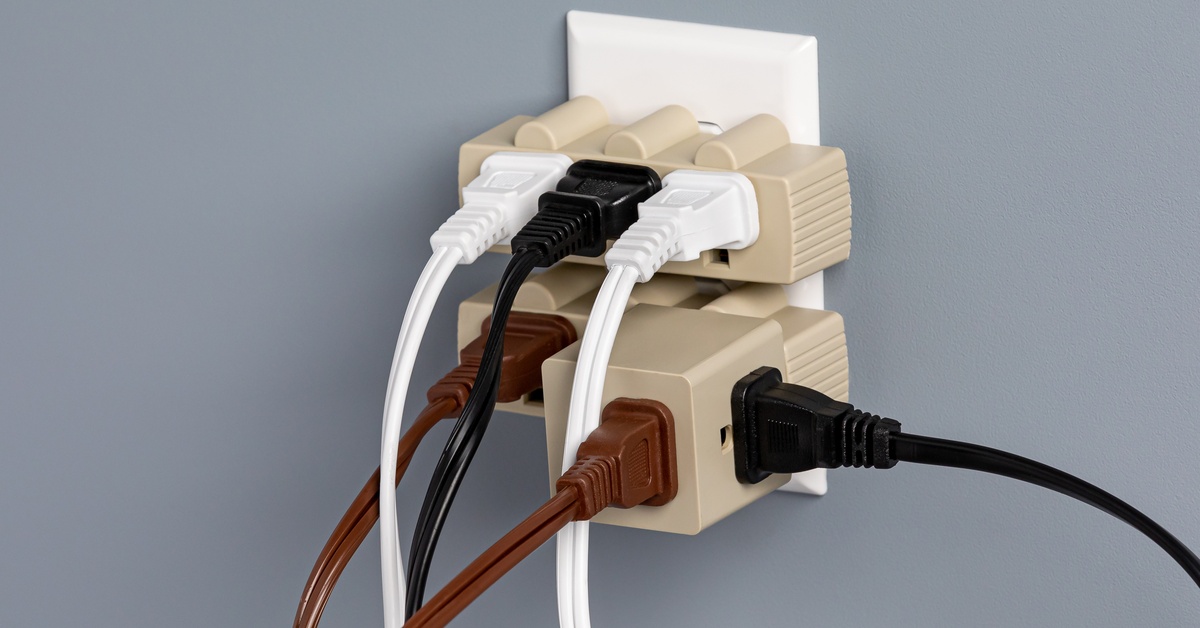
First homes tend to collect a variety of temporary solutions. One extra power strip turns into two, cords start weaving behind furniture, and chargers end up wherever they happen to fit. None of it feels especially serious in the moment, which is exactly why it’s worth checking before those patterns settle in.
A wise upgradeto implement can be as simple as reducing cord clutter and giving your devices more breathing room. Surge protection, better outlet access, and a cleaner setup around entertainment centers or home office corners can make the space feel more finished while also lowering the chance of avoidable strain. This is one of those areas where tidiness and safety often want the same thing.
It’s also helpful to notice which temporary habits are becoming permanent. If a lamp only works because you’ve stretched a cord across the room, or a favorite corner always needs multiple devices plugged into one spot, that’s usually a sign the setup deserves a second look. A safer home often starts with paying attention to what your routines are quietly telling you.
Build a Home That Supports Better Habits
One reason smart fire safety upgrades matter so much for first-time homeowners is that they reduce the pressure to remember everything at once. You’re already keeping track of so many other details that come with owning a home, so it can be easy to forget about some of the more important things.
Getting this right could mean setting a recurring reminder to test alarms, choosing lighting that turns on when you need it, or using products that better match your daily routines. It could also mean editing the room itself so pathways stay clearer and surfaces you use every day stay less crowded.
Over time, those choices start to shape the feel of the home. Safety stops feeling like a separate task you have to remember and starts feeling like part of how the house works. For many people, that’s usually the sweetest spot: a home that still feels personal, comfortable, and warm, but asks for a little less guesswork from the people living in it.
Disclaimer: All candles, including self-extinguishing ones, should be burned within sight at all times. No candles should ever be left unattended.